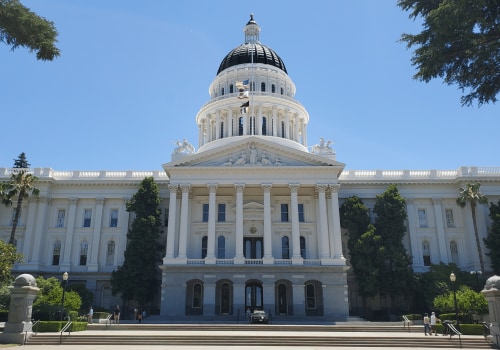
Governance in Southern California is a multifaceted and intricate subject that reflects the region's rich tapestry of cultures, histories, and socio-economic conditions. With over 23 million residents spread across a diverse array of cities, each local government operates under its own unique set of rules and structures. This diversity is not merely academic; it has real implications for how policies are crafted, how public services are delivered, and how residents engage with their local governments.Understanding the various local government structures in Southern California is essential for grasping the dynamics of civic life in this vibrant region. From the sprawling urban landscape of Los Angeles to the picturesque coastal towns like Santa Barbara, each city adopts different governance models that shape their political landscapes.
For instance, some cities may employ a strong mayor-council system, where the mayor wields significant executive power, while others might adopt a council-manager model that emphasizes collaborative governance and community input.This complexity in governance structures not only influences local decision-making but also affects critical issues such as housing, transportation, and public safety. As we explore the intricacies of governance in Southern California, it becomes clear that these frameworks are not just bureaucratic formalities; they are vital to understanding how communities function and thrive. By delving into the specifics of city governance, we can better appreciate the challenges and opportunities that arise from these diverse systems.
Overview of Governance Structures in Southern California
Understanding the governance structures in Southern California is essential for grasping how local governments operate and make decisions that affect residents' lives. The region is characterized by a diverse array of cities, each with its own unique governance framework.These frameworks are shaped by historical, cultural, and socio-economic factors, leading to a variety of governance models that influence local policy-making.In Southern California, the most prevalent types of governance structures include:
- Mayor-Council System: This model features a strong mayor who wields significant executive authority. The mayor is responsible for proposing budgets and policies, which must then be approved by the city council. Cities like Los Angeles exemplify this structure, where the mayor's role is pivotal in shaping local governance.
- Council-Manager System: In this framework, the city council appoints a city manager to oversee daily operations. This model is common in cities such as Santa Monica, where the council focuses on legislative functions while the manager handles administrative tasks.
This separation can enhance accountability and promote collaborative governance.
- Commission System: Less common than the previous two, this structure combines legislative and executive functions within a single body. Commissions are typically tasked with specific areas such as urban planning or public safety, allowing for specialized governance that can address particular community needs.
By recognizing how different models operate, individuals can better navigate the complexities of local politics and advocate for their community's needs.
Types of Governance Structures
Understanding the various governance structures in Southern California is essential for grasping how local governments operate and make decisions. Each city adopts a unique governance model that reflects its specific needs, history, and community dynamics. The three primary types of governance structures prevalent in the region are the mayor-council system , the council-manager system , and the commission system. Additionally, some cities employ hybrid models that combine elements from these systems.Mayor-Council System
The mayor-council system is one of the most common governance structures in Southern California, particularly in larger cities like Los Angeles.In this model, the mayor serves as the chief executive officer of the city, wielding significant authority over city operations and policy-making. The mayor can propose budgets, initiate legislation, and has the power to veto council decisions.This system allows for decisive leadership and can lead to swift implementation of policies. However, it also raises concerns about accountability, as a strong mayor may dominate decision-making processes, potentially sidelining other voices within the government.
Council-Manager System
In contrast, the council-manager system is designed to promote a more collaborative approach to governance. In this model, an elected city council appoints a city manager to oversee daily operations and implement policies.This structure is prevalent in cities like Santa Monica and Pasadena.The council focuses on legislative functions while the city manager handles administrative tasks. This separation of powers can enhance checks and balances within local government, allowing for more community input in decision-making processes. However, critics argue that this model may dilute accountability since the city manager is not directly elected by residents.
Commission System
The commission system, though less common in Southern California, combines both legislative and executive functions within a single body. In this structure, commissions are responsible for specific areas such as public safety or urban planning.This allows for specialized governance but can lead to challenges in coordination and comprehensive policy-making.
Hybrid Models
Some cities adopt hybrid models, incorporating elements from multiple governance structures to better address their unique challenges. For instance, a city might have a strong mayor but also include advisory boards that allow for greater community participation. These hybrid approaches aim to balance efficiency with inclusivity, ensuring that diverse community voices are heard in local governance.In summary, understanding these governance structures is crucial for residents and stakeholders who wish to engage effectively with their local governments and influence policy outcomes in their communities.Case Studies of Major Cities
Examining the governance frameworks of major cities in Southern California reveals how distinct structures shape political dynamics and community engagement. This section focuses on the governance models of Los Angeles, San Diego, and Santa Monica, highlighting their unique characteristics and implications for residents.Los Angeles Governance
Los Angeles operates under a strong mayor-council system, which grants the mayor considerable executive authority.The mayor is responsible for proposing budgets, setting policy agendas, and overseeing city departments. This structure allows for decisive leadership, enabling the mayor to implement initiatives swiftly. However, it also raises concerns about accountability, as the concentration of power can sometimes overshadow the voices of council members and constituents.The Los Angeles City Council, composed of 15 elected representatives, plays a critical role in legislative functions. Council members advocate for their districts, addressing local issues such as housing, transportation, and public safety.
The interplay between the mayor and council can lead to both collaboration and conflict, influencing how effectively policies are enacted.
San Diego Governance
In contrast, San Diego employs a similar strong mayor-council model but with its own nuances. The mayor holds significant authority over city operations and can veto council decisions. This governance structure allows for rapid decision-making, which can be beneficial in addressing urgent community needs. However, it can also create tensions between the mayor and council members, particularly when interests diverge.The San Diego City Council consists of nine members representing various districts.This localized representation fosters a connection between elected officials and their constituents, allowing for tailored responses to community concerns. The balance of power between the mayor and council is crucial in shaping San Diego's political landscape.
Santa Monica Governance
Santa Monica presents a different approach with its council-manager system. In this model, the city council appoints a city manager to oversee daily operations while focusing on legislative responsibilities. This separation of powers promotes collaborative governance and encourages community engagement through elected representatives.The Santa Monica City Council actively involves residents in decision-making processes by hosting public forums and workshops.This emphasis on transparency fosters a sense of ownership among citizens regarding local policies. The council-manager model allows for professional management while ensuring that community voices are heard in shaping city initiatives.In summary, the governance structures of Los Angeles, San Diego, and Santa Monica illustrate the diverse approaches to local governance in Southern California. Each city's unique framework influences not only political dynamics but also how effectively residents can engage with their local governments.
Comparative Analysis of Governance Models
In Southern California, the governance models employed by various cities reflect a rich tapestry of political structures, each with its own set of strengths and weaknesses. Understanding these differences is essential for grasping how local policies are formulated and how effectively they address community needs.1.Strong Mayor System
- Example Cities: Los Angeles, San Diego
- Strengths: This model allows for decisive leadership, as the mayor has significant executive powers to implement policies swiftly.
The concentration of authority can lead to streamlined decision-making, particularly in times of crisis.
- Weaknesses: However, this concentration of power can also raise concerns about accountability and transparency. Critics argue that it may sideline other voices in governance, leading to decisions that do not fully reflect the community's diverse needs.
2.Council-Manager System
- Example Cities: Santa Monica, Pasadena
- Strengths: In this model, the city council appoints a city manager to oversee daily operations, allowing elected officials to focus on legislative functions. This separation can enhance checks and balances, promoting a collaborative approach to governance that encourages community input.
- Weaknesses: On the downside, the city manager is not directly elected by the public, which may dilute accountability. Additionally, this model can sometimes result in slower decision-making processes due to its deliberative nature.
3.Hybrid Models
- Example Cities: Long Beach, Irvine
- Strengths: Some cities adopt hybrid governance models that incorporate elements from both strong mayor and council-manager systems.
This flexibility allows cities to tailor their governance structures to better meet local needs while balancing executive power with community representation.
- Weaknesses: However, hybrid models can lead to confusion regarding roles and responsibilities among elected officials and appointed managers, potentially complicating decision-making processes.
Impact of Governance on Local Communities
The governance structures in Southern California cities significantly influence the daily lives of residents, shaping their experiences through community engagement, public service delivery, and overall quality of life. Understanding these impacts is essential for grasping how local governance affects citizens.Community Engagement
Community engagement is a vital aspect of effective governance.In cities where local governments prioritize transparency and citizen participation, residents are more likely to feel empowered to voice their opinions and contribute to decision-making processes. For instance, cities like Santa Monica actively encourage public forums and workshops, allowing citizens to engage directly with elected officials and influence local policies.Conversely, in areas governed by a strong mayor system, such as Los Angeles, the concentration of power can sometimes lead to diminished public involvement. While swift decision-making can be beneficial, it may also result in a disconnect between the government and its constituents. This lack of engagement can foster feelings of disenfranchisement among residents, leading to lower voter turnout and reduced civic participation.
Public Services Delivery
The structure of governance directly impacts how public services are delivered.Cities with decentralized governance models often excel in tailoring services to meet the specific needs of their communities. For example, smaller municipalities may provide more personalized services in areas like waste management and public safety compared to larger cities that may struggle with bureaucratic inefficiencies.In contrast, cities with centralized governance may face challenges in service delivery due to the sheer scale of operations. The complexity of managing extensive urban infrastructure can lead to delays and inefficiencies, ultimately affecting residents' satisfaction with essential services such as transportation, housing, and emergency response.
Quality of Life
The effectiveness of governance structures has a profound impact on the overall quality of life for residents. Cities that foster inclusive governance tend to experience higher levels of citizen satisfaction.When residents feel heard and see their needs addressed through effective local policies, it leads to stronger community ties and a more vibrant civic life.Moreover, effective governance can enhance economic opportunities by promoting local businesses and ensuring equitable access to resources. In contrast, poorly managed governance can exacerbate social inequalities and hinder community development.In summary, the relationship between governance structures and local communities is complex yet critical. By promoting community engagement, ensuring efficient public service delivery, and enhancing the quality of life for residents, local governments can create thriving environments that benefit all citizens.
Challenges Facing Governance in Southern California
Governance in Southern California is fraught with a myriad of challenges that complicate the effective management of its diverse cities. These challenges stem from various sources, including budget constraints, political dynamics, bureaucratic inefficiencies, and pressing environmental issues.Budget Constraints
One of the most significant hurdles facing local governments in Southern California is budget constraints.Many cities grapple with limited financial resources, which can severely impact their ability to provide essential services such as public safety, infrastructure maintenance, and community programs. As a result, local governments are often forced to prioritize spending, leading to difficult decisions that can adversely affect residents' quality of life. For instance:
- Public Safety: Budget cuts may lead to reduced police and fire department staffing, potentially compromising community safety.
- Infrastructure: Aging infrastructure may go unmaintained due to financial limitations, resulting in deteriorating roads and public facilities.
- Community Programs: Funding for recreational and social services may be slashed, limiting opportunities for community engagement and support.
Political Dynamics
The political landscape in Southern California is another factor that complicates governance. The region is characterized by a highly diverse population with varying interests and perspectives.While this diversity can enrich governance by bringing multiple viewpoints to the table, it can also lead to conflicts and gridlock in decision-making processes. Elected officials often find themselves navigating:
- Competing Interests: Balancing the needs of different communities can be challenging, resulting in policies that may not adequately address all constituents' concerns.
- Partisan Divisions: Political polarization can hinder collaboration among elected officials, making it difficult to reach consensus on critical issues.
Bureaucratic Inefficiencies
Bureaucratic inefficiencies within local governments further exacerbate governance challenges. Many residents feel disconnected from their local government due to a lack of transparency and responsiveness. This disconnection can manifest in low voter turnout and limited public participation in governance processes.Key issues include:
- Lack of Transparency: When decision-making processes are opaque, residents may feel alienated and distrustful of their local leaders.
- Inefficient Processes: Lengthy bureaucratic procedures can delay important initiatives and frustrate citizens seeking timely solutions to community problems.
Environmental Challenges
Southern California is also grappling with significant environmental challenges that require innovative governance solutions. Issues such as housing shortages and climate change impacts necessitate adaptive strategies that address both immediate needs and long-term sustainability. Local governments must contend with:- Housing Affordability: Rapid population growth has led to increased demand for affordable housing, putting pressure on local governments to implement effective zoning and development policies.
- Climate Resilience: Cities must develop strategies to mitigate the effects of climate change while ensuring that vulnerable populations are protected from environmental hazards.
Future Trends in Governance in Southern California
The landscape of governance in Southern California is undergoing significant transformation, driven by a confluence of technological advancements, environmental imperatives, and evolving public expectations.As cities strive to meet the demands of their diverse populations, several key trends are emerging that will shape the future of local governance.
Increased Use of Technology
One of the most notable trends is the rise of smart city initiatives. These initiatives leverage technology to enhance urban living and improve the efficiency of city services. For instance, cities are increasingly adopting Internet of Things (IoT) devices to monitor traffic patterns, manage energy consumption, and improve public safety. By utilizing data analytics, local governments can make informed decisions that lead to better resource allocation and service delivery.Moreover, digital engagement platforms are becoming essential tools for fostering communication between local governments and residents.Many cities are now using social media channels and mobile applications to solicit feedback on community issues, announce public meetings, and share important updates. This shift towards digital engagement not only enhances transparency but also encourages greater civic participation among residents.
Emphasis on Sustainability
As climate change continues to pose significant challenges, sustainability has emerged as a critical focus for governance in Southern California. Local governments are prioritizing sustainable practices in their operations and policies. This includes implementing green building standards, promoting renewable energy sources, and enhancing public transportation systems to reduce carbon footprints.Furthermore, cities are increasingly recognizing the importance of community resilience in the face of environmental challenges.Future governance models will likely incorporate strategies that empower communities to adapt to changing conditions, such as extreme weather events or housing shortages. By fostering a culture of sustainability, local governments can not only address immediate environmental concerns but also promote long-term economic viability.
Collaborative Governance Models
The trend towards collaborative governance is also gaining traction in Southern California. Public-private partnerships are becoming more common as cities seek innovative solutions to urban challenges. These collaborations can lead to enhanced infrastructure development, affordable housing projects, and improved public services.Additionally, there is a growing emphasis on participatory budgeting and community-led initiatives.By involving residents in decision-making processes, local governments can ensure that policies reflect the needs and priorities of their communities. This approach not only strengthens democratic engagement but also fosters a sense of ownership among residents regarding local governance.In conclusion, the future of governance in Southern California is poised for significant evolution as cities embrace technology, prioritize sustainability, and adopt collaborative models. These trends will not only redefine how local governments operate but also enhance the quality of life for residents across the region.
FAQs about Governance in Southern California
Understanding the intricacies of governance in Southern California can be challenging, especially given the diverse range of cities and their unique management structures. Below are some frequently asked questions that can help clarify common inquiries about local governance.What is the typical governance structure in Southern California cities?
Most cities in Southern California operate under a variety of governance models, with the most common being the city council-manager system.In this model, an elected city council makes policy decisions while a city manager oversees day-to-day operations. However, some cities, like Los Angeles and San Diego, utilize a strong mayor system, which grants the mayor significant executive powers to influence city administration.
How do local governments in Southern California handle public participation?
Public participation is encouraged through various channels such as city council meetings, community forums, and advisory boards. Many cities also utilize online platforms to gather feedback from residents on important issues. This approach not only enhances transparency but also fosters a sense of community involvement.What role do county governments play in city governance?
County governments provide essential services that often overlap with city responsibilities, such as public health, law enforcement, and infrastructure maintenance.In Southern California, counties like Los Angeles and San Diego have significant influence over regional policies and funding, impacting how cities operate within their jurisdictions.
Are there differences in governance based on city size?
Yes, larger cities tend to have more complex governance structures with specialized departments and agencies. In contrast, smaller cities may have fewer resources and a more streamlined approach to governance. This can affect how effectively they respond to community needs and manage public services.How does state law impact local governance?
State law
significantly influences local governance by establishing regulations that cities must follow. This includes zoning laws, environmental regulations, and public safety standards that shape how cities operate.
Understanding these laws is crucial for residents who wish to engage with their local government effectively.If you have more specific questions about governance in Southern California, consider reaching out to your local government office or visiting their official website for detailed information.
Conclusion: The Importance of Understanding Local Governance
In summary, grasping the intricacies of governance in Southern California is essential for residents, policymakers, and community stakeholders. The region's diverse cities showcase a variety of governance structures, each shaped by unique historical, cultural, and socio-economic contexts. Understanding these frameworks is not merely an academic exercise; it has real implications for how communities function and thrive.One of the most significant takeaways from our exploration is the variability in governance models across Southern California. For instance, cities like Los Angeles operate under a strong mayor-council system, which allows for decisive leadership but may also lead to concerns about accountability and inclusivity.In contrast, cities such as Santa Monica employ a council-manager model that promotes collaborative governance and community engagement. This diversity means that residents must be aware of their local governance structure to effectively advocate for their needs and influence policy decisions.Moreover, the impact of governance extends beyond mere administrative functions; it directly affects community engagement and public service delivery. Cities that prioritize transparency and citizen participation tend to foster stronger community ties and higher levels of satisfaction among residents. Conversely, those with less engagement may experience disconnection and apathy from their constituents.As Southern California continues to face challenges such as housing shortages, environmental concerns, and budget constraints, understanding local governance becomes increasingly vital.
It empowers citizens to hold their leaders accountable and encourages active participation in shaping policies that affect their lives.In conclusion, the importance of understanding local governance in Southern California cannot be overstated. By recognizing the unique structures and dynamics at play within their cities, residents can better navigate the complexities of local politics and contribute to a more vibrant civic life.