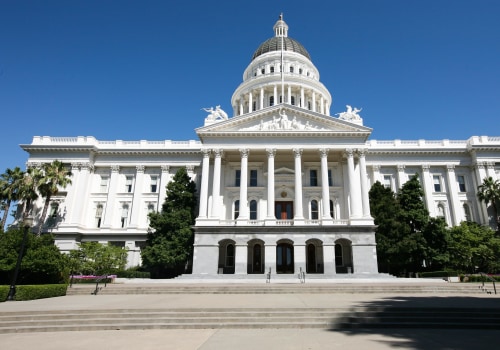
Governance in Southern California is a multifaceted and intricate system that reflects the region's diverse population, economic interests, and cultural dynamics. This complexity arises from the interplay of various governmental entities, including city councils, county boards, and state legislatures, each playing a pivotal role in shaping policies that directly impact the lives of millions. Understanding this governance framework is essential for grasping how decisions are made and who holds the power to influence them.At the local level, governance structures are designed to address a wide array of community needs, from public safety and transportation to housing and education. City governments serve as the frontline for residents seeking assistance or wishing to engage with their representatives.
In a region characterized by rapid urbanization and significant population density, the effectiveness of local governance can greatly influence community well-being and quality of life. The challenges faced by Southern California—such as housing shortages, traffic congestion, and environmental concerns—underscore the importance of responsive and accountable governance.Moreover, the political landscape in Southern California is shaped by a myriad of stakeholders, including residents, businesses, non-profit organizations, and advocacy groups. Each of these entities brings unique perspectives and priorities to the table, creating a dynamic environment where lobbying and special interest groups often seek to exert their influence. As these groups vie for attention and resources within the governance framework, they not only shape policy outcomes but also reflect broader societal trends and challenges facing the region.
The Role of Lobbying in Governance
Lobbying is a fundamental aspect of the governance landscape, particularly in regions like Southern California, where diverse interests converge.At its core, lobbying refers to the act of attempting to influence decisions made by government officials, including legislators and regulatory agencies. This practice allows various stakeholders—ranging from corporations and trade associations to non-profits and grassroots organizations—to advocate for specific policies that align with their interests.The historical context of lobbying in the United States dates back to the early 19th century. Initially viewed with skepticism, lobbying has evolved into a recognized and regulated practice within the political framework. The term itself is believed to have originated from the practice of individuals waiting in the lobbies of legislative buildings to speak with lawmakers.
Over time, as governance became more complex and multifaceted, lobbying emerged as a necessary tool for ensuring that diverse voices are heard in the policy-making process.In Southern California, where economic interests span industries such as technology, entertainment, and environmental advocacy, lobbying plays a crucial role in shaping governance. The impact of lobbying can be profound; it not only influences legislative outcomes but also shapes public discourse around critical issues such as housing, transportation, and environmental sustainability.Moreover, lobbying serves as a mechanism for advocacy , allowing underrepresented groups to amplify their voices. For instance, environmental organizations may lobby for stricter regulations to protect natural resources, while labor unions advocate for workers' rights and fair wages. This dynamic interaction between various stakeholders highlights the importance of lobbying in fostering a more inclusive governance framework.However, the influence of lobbying is not without its challenges.
Concerns about transparency and accountability often arise, particularly when powerful corporations dominate the lobbying landscape. This can lead to imbalances in how policies are shaped and who benefits from them. As such, understanding the role of lobbying in governance is essential for grasping how decisions are made and who holds the power to influence them.
Special Interest Groups: Definition and Influence
Special interest groups
are organizations formed to advocate for specific causes or interests, aiming to influence public policy and governance in their favor. These groups play a pivotal role in shaping the legislative landscape, particularly in a diverse and dynamic region like Southern California, where various stakeholders vie for attention and resources.Understanding the different types of special interest groups is essential to grasp their influence on governance.
These groups can be categorized based on their motivations and methods:
- Business and Trade Associations: These organizations represent the interests of specific industries, such as real estate, technology, or agriculture. They often lobby for favorable regulations, tax policies, and incentives that benefit their sectors. For instance, a technology trade association may advocate for legislation that promotes innovation and investment in tech startups.
- Environmental Organizations: Focused on sustainability and conservation, these groups advocate for policies that protect natural resources and promote green initiatives. Their influence is particularly significant in Southern California, where environmental issues like air quality and water conservation are paramount.
Groups such as the Sierra Club actively lobby for stricter environmental regulations.
- Labor Unions: Representing workers' rights, labor unions seek to influence governance by advocating for fair wages, benefits, and working conditions. Their collective bargaining power can significantly impact local policies, especially in sectors like education and public service.
- Civic and Community Groups: These organizations focus on local issues such as housing, education, and public safety. They mobilize community members to engage with policymakers and ensure that local voices are heard. For example, grassroots organizations may campaign for affordable housing initiatives to address the housing crisis.
They employ various strategies to sway decision-makers:
- Lobbying: Direct interaction with legislators to advocate for specific policies or legislation is a primary method used by these groups.
- Campaign Contributions: Financial support for political candidates who align with their interests can lead to favorable outcomes in governance.
- Public Awareness Campaigns: Utilizing media and grassroots efforts to shape public opinion can pressure policymakers to consider their viewpoints.
Case Studies: Lobbying and Special Interest Groups in Action
In Southern California, the influence of lobbying and special interest groups is vividly illustrated through various case studies that highlight their role in shaping governance policies. These examples not only showcase the strategies employed by these entities but also demonstrate the tangible outcomes of their advocacy efforts.The Fight for Affordable Housing
A prominent case study is the campaign led by the California Housing Partnership , which sought to address the pressing affordable housing crisis in Los Angeles.This organization collaborated with local advocacy groups to lobby for the passage of Proposition HHH, a measure that allocated $1.2 billion for the construction of supportive housing for the homeless. Through extensive outreach, coalition-building, and public engagement, they successfully garnered widespread support, leading to the proposition's approval in 2016. This initiative not only provided immediate relief for those in need but also set a precedent for future housing policies in the region.
Environmental Regulations and Advocacy
Another significant instance of lobbying impact is seen in the efforts of environmental organizations like the Natural Resources Defense Council (NRDC). Their advocacy was crucial in shaping environmental governance in Southern California, particularly regarding air quality regulations. By mobilizing community support and leveraging scientific research, these groups successfully influenced policymakers to adopt stricter regulations aimed at reducing emissions from vehicles and industrial sources.This case exemplifies how organized advocacy can lead to meaningful changes that benefit public health and environmental sustainability.
Education Reform Initiatives
The California Teachers Association (CTA) serves as a prime example of a special interest group that has significantly impacted education policy through lobbying efforts. Their campaigns have led to substantial reforms in funding for public schools, advocating for increased teacher salaries and improved resources for students. In 2019, their persistent lobbying resulted in legislation that provided additional funding to under-resourced schools, demonstrating how collective advocacy can drive systemic change within educational governance.These case studies illustrate the multifaceted ways in which lobbying and special interest groups can effectively shape governance policies in Southern California. By leveraging community engagement, strategic partnerships, and targeted advocacy efforts, these organizations not only influence legislation but also drive meaningful change within their communities.The Impact of Lobbying on Local Governance Policies
Lobbying exerts a profound influence on local governance policies in Southern California, manifesting both positive and negative outcomes that shape the region's political landscape.Understanding these dual impacts is essential for grasping how lobbying affects the decision-making processes that govern daily life.
Positive Contributions of Lobbying
- Informed Decision-Making: Lobbyists often serve as conduits of information, providing policymakers with critical insights and data on complex issues. This expertise can lead to more informed decisions that reflect the needs and realities of the community. For instance, environmental lobbyists may present scientific research that underscores the urgency of addressing climate change, prompting local governments to adopt more sustainable practices.
- Advocacy for Underrepresented Groups: Many lobbying efforts focus on amplifying the voices of marginalized communities. Special interest groups representing low-income residents or minority populations can advocate for policies that address their unique challenges, such as affordable housing initiatives or equitable access to public services.
This advocacy ensures that governance in Southern California is more inclusive and responsive to diverse community needs.
- Economic Development: Business interests frequently lobby for policies that stimulate economic growth, such as tax incentives or infrastructure improvements. These efforts can lead to job creation and enhanced public services, benefiting the broader community. For example, lobbying by technology firms for improved broadband access can facilitate economic opportunities in underserved areas.
Negative Consequences of Lobbying
- Policy Capture: One of the most significant risks associated with lobbying is the potential for policy capture, where regulations are skewed in favor of powerful corporations or wealthy individuals at the expense of public welfare. This phenomenon can result in inequitable outcomes, particularly in sectors like housing and healthcare, where profit motives may overshadow community needs.
- Lack of Transparency: Many lobbying activities occur behind closed doors, creating a veil of secrecy around who influences policy decisions.
This lack of transparency can erode public trust in local governance, as citizens may feel disconnected from the political process and skeptical about whose interests are being prioritized.
- Short-Term Focus: Lobbyists often prioritize immediate gains for their clients rather than long-term community benefits. This short-sighted approach can lead to policies that fail to address underlying issues or future challenges, such as climate resilience or sustainable urban development.
Public Perception and Criticism of Lobbying Practices
The public perception of lobbying practices in Southern California is often characterized by a mix of skepticism and concern. Many residents view lobbying as a mechanism through which special interest groups exert disproportionate influence over governance, potentially skewing policies in favor of a select few rather than serving the broader public interest.This perception is not unfounded, as numerous high-profile cases have highlighted instances where lobbyists have engaged in unethical practices, leading to a general distrust of the political process.One of the primary criticisms leveled against special interest groups is their lack of transparency and accountability. Many citizens feel that these organizations operate behind closed doors, making it challenging for the average voter to understand who is influencing policy decisions and how. This opacity can foster feelings of disenfranchisement among constituents, who may believe that their voices are drowned out by well-funded lobbyists.
- Transparency Issues: The absence of clear reporting requirements for lobbying activities obscures the true extent of influence wielded by these groups. Without accessible information, it becomes difficult for the public to gauge the impact of lobbying on governance.
- Accountability Concerns: When lobbyists are not held accountable for their actions, ethical questions arise regarding the integrity of governance.
This lack of oversight can lead to policies that favor specific interests over the common good.
- Public Trust: A significant portion of the population believes that lobbying undermines public trust in government institutions. When citizens perceive that decisions are being made behind closed doors, it can erode confidence in elected officials and their commitment to serving their constituents.
By prioritizing transparency and accountability, Southern California can move towards a more inclusive political landscape where every voice has the opportunity to be heard.
Future Trends: The Evolution of Lobbying in Southern California Governance
As we look ahead, the landscape of governance in Southern California is on the brink of significant transformation, particularly in the realm of lobbying and the influence of special interest groups. Several emerging trends are poised to reshape how these entities operate and impact policy decisions.Technological Advancements
One of the most profound changes is the integration of technology into lobbying practices. The rise of digital platforms has enabled special interest groups to leverage social media, data analytics, and online advocacy tools to enhance their outreach and engagement strategies. This technological shift allows for:- Targeted Messaging: Organizations can tailor their communications to specific demographics, ensuring that their messages resonate with particular audiences.
- Real-Time Engagement: Social media enables immediate interaction with constituents, allowing groups to mobilize support quickly in response to emerging issues.
- Data-Driven Strategies: By analyzing public sentiment and engagement metrics, lobbyists can refine their approaches to maximize impact.
Increased Transparency and Accountability
In response to growing public demand for transparency in governance, there is a movement towards more stringent regulations governing lobbying activities.Future governance in Southern California may see:
- Enhanced Disclosure Requirements: Lobbyists may be required to provide more detailed reports on their activities, including funding sources and specific lobbying efforts.
- Public Access to Information: Improved online platforms could allow citizens to easily access information about who is lobbying whom and for what purposes.
- Stronger Oversight Mechanisms: Regulatory bodies may implement more robust systems to monitor lobbying activities, ensuring compliance with ethical standards.
Changing Political Landscapes
The political climate in Southern California is evolving, with younger generations becoming increasingly politically active. This demographic shift may lead to:- A Rise in Grassroots Movements: New voices advocating for social justice, environmental sustainability, and economic equity could challenge traditional lobbying efforts.
- Diverse Representation: As more individuals from varied backgrounds engage in advocacy, governance may become more reflective of the community's needs and values.
Focus on Social Issues
The increasing emphasis on pressing social issues such as climate change, housing affordability, and social justice will likely shape future lobbying efforts. Special interest groups aligned with these causes are expected to gain traction by:- Mobilizing Public Support: Advocacy campaigns that resonate with community values can drive significant policy changes.
- Pushing for Legislative Reforms: Policymakers may feel compelled to respond to the demands of these advocacy groups as public awareness grows around critical issues.
FAQs about Lobbying and Governance in Southern California
Understanding the intricate relationship between lobbying and governance in Southern California often raises several questions among citizens.This section aims to address some of the most common inquiries, providing clarity on the role of lobbying and how it influences public policy.
What is lobbying?
Lobbying is the act of attempting to influence decisions made by government officials, particularly legislators and regulatory agencies. In Southern California, lobbying encompasses a wide range of stakeholders, including businesses, non-profit organizations, and community groups. These entities engage in lobbying to advocate for specific policies or legislation that align with their interests.How do special interest groups impact governance?
Special interest groups play a significant role in shaping governance policies by:- Advocating for Specific Issues: They focus on particular causes, such as environmental protection, healthcare reform, or education funding, and work to influence policymakers to adopt favorable legislation.
- Providing Expertise: Many special interest groups offer valuable information and research to lawmakers, helping them understand complex issues that may not be within their immediate expertise.
- Mobilizing Public Support: These groups often engage in grassroots campaigns to rally community support for their causes, which can sway public opinion and pressure decision-makers.
Are all lobbying efforts negative?
No, not all lobbying is viewed negatively. While some critics argue that lobbying allows wealthy entities to exert undue influence over governance, many lobbyists represent grassroots movements and advocate for underrepresented communities.This can lead to more inclusive governance in Southern California by ensuring that diverse voices are heard in the policymaking process.
What are some examples of successful lobbying efforts?
Several successful lobbying efforts have significantly impacted governance in Southern California:- Environmental Advocacy: Organizations advocating for stricter air quality regulations have successfully influenced local governance to adopt more sustainable practices.
- Housing Initiatives: Special interest groups focused on affordable housing have played a crucial role in shaping policies that address the housing crisis in urban areas.
How can citizens engage with lobbying efforts?
Citizens can actively participate in lobbying efforts by:- Joining Local Advocacy Groups: Engaging with organizations that align with their interests can amplify their voices in the political arena.
- Participating in Public Forums: Attending town hall meetings or public discussions allows citizens to express their opinions directly to policymakers.
- Contacting Elected Representatives: Reaching out to local officials to voice support or opposition regarding specific policies can influence decision-making processes.
Conclusion: The Complex Interplay Between Lobbying and Governance
In summary, the intricate relationship between lobbying, special interest groups, and governance in Southern California is a multifaceted issue that warrants careful consideration. As we have explored throughout this article, lobbying serves as a vital mechanism through which various stakeholders can advocate for their interests, influencing policy decisions that affect millions of residents. The diverse landscape of Southern California, characterized by its economic diversity and cultural richness, amplifies the significance of understanding how these forces interact.One of the key takeaways is the dual nature of lobbying. On one hand, it can facilitate informed decision-making by providing policymakers with essential data and perspectives that might otherwise be overlooked.This is particularly important in a region facing complex challenges such as housing shortages, environmental degradation, and public health crises. On the other hand, the potential for policy capture raises concerns about equity and representation. When powerful interests dominate the lobbying landscape, there is a risk that the needs of marginalized communities may be sidelined.Moreover, the role of special interest groups cannot be understated. These organizations not only advocate for specific policies but also mobilize public opinion and grassroots support.
Their ability to shape discourse around critical issues highlights the importance of civic engagement in governance. As citizens become more aware of the influence wielded by these groups, there is an opportunity for greater accountability and transparency in the political process.Looking ahead, it is crucial for both policymakers and constituents to foster a governance environment that balances effective advocacy with public accountability. This includes implementing stricter regulations on lobbying activities and enhancing transparency measures to ensure that all voices are heard in the policymaking process. By doing so, Southern California can work towards a governance framework that truly reflects the diverse interests and needs of its communities.Ultimately, understanding the complex interplay between lobbying and governance is essential for anyone looking to engage meaningfully in the political landscape of Southern California.
As we navigate this dynamic environment, it is imperative to remain vigilant about who influences policy decisions and to advocate for a system that prioritizes the common good over individual interests.