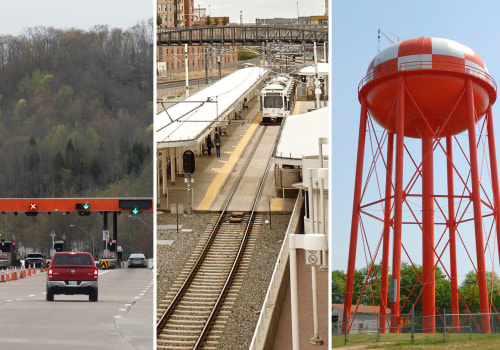
The intricate relationship between transportation infrastructure and governance in Southern California is a critical aspect of understanding how urban environments function and evolve. As one of the most populous regions in the United States, Southern California faces unique challenges that necessitate a robust and adaptive governance framework. The region's extensive transportation systems, which include highways, public transit networks, and emerging mobility solutions, are not merely conduits for movement; they are vital components that shape economic opportunities, social equity, and environmental sustainability.At the heart of this relationship lies the recognition that effective governance is essential for the planning, development, and maintenance of transportation infrastructure. Local governments must navigate a complex landscape of stakeholder interests, funding limitations, and regulatory requirements to create systems that serve diverse communities.
This dynamic interplay influences how resources are allocated, how policies are formulated, and ultimately how well the transportation network meets the needs of its users.Moreover, the impact of transportation infrastructure on governance extends beyond logistical considerations. It encompasses broader societal implications such as public health, environmental stewardship, and community engagement. For instance, well-planned public transit options can reduce traffic congestion and lower emissions, while also providing marginalized populations with access to essential services and job opportunities. Conversely, inadequate infrastructure can exacerbate social inequities and hinder economic growth.As we delve deeper into this topic, it becomes evident that understanding the relationship between transportation infrastructure and governance is not just an academic exercise; it is essential for crafting policies that foster sustainable development and enhance the quality of life for all residents in Southern California.
This exploration will reveal how these elements interact and influence each other in shaping a resilient urban future.
The Role of Transportation Infrastructure in Southern California
Transportation infrastructure in Southern California is a complex and multifaceted system that plays a crucial role in the region's economic vitality and social dynamics. The various types of transportation systems not only facilitate mobility but also significantly influence local governance and community development.Highways
are perhaps the most visible aspect of Southern California's transportation landscape. The extensive network of freeways, including major routes like Interstate 5 and Interstate 405, connects urban centers with suburban areas, enabling the efficient movement of people and goods. However, these highways also contribute to significant traffic congestion, which poses challenges for local governance in terms of urban planning and public safety.
Local governments must continually assess and address the impacts of highway congestion on air quality, emergency response times, and overall community well-being.
Public Transit Systems
are essential for providing accessible transportation options to residents who may not own vehicles or prefer not to drive. The Los Angeles County Metropolitan Transportation Authority (Metro) operates a comprehensive network that includes:
- Buses: Metro's bus services cover a vast area, offering routes that connect various neighborhoods to employment centers, educational institutions, and recreational areas.
- Light Rail: The expansion of light rail lines, such as the Expo Line and the Crenshaw/LAX Line, aims to enhance connectivity and promote sustainable transit options.
- Subway: The Metro Rail system includes subway lines that provide rapid transit solutions for densely populated areas, reducing reliance on personal vehicles.
Airports
, such as Los Angeles International Airport (LAX) and John Wayne Airport (SNA), also play a significant role in the region's transportation infrastructure. These airports facilitate international travel and serve as economic engines that support local businesses and create jobs. Effective governance is required to manage the environmental impacts associated with airport operations, including noise pollution and traffic management.The interplay between these various types of transportation infrastructure significantly impacts governance in Southern California.
Policymakers must navigate the complexities of urban mobility while addressing environmental concerns and ensuring equitable access to transportation for all residents. As such, understanding the diverse transportation systems is essential for grasping their implications on local governance and community development.
Governance Frameworks Influencing Transportation Planning
The governance frameworks that influence transportation planning in Southern California are complex and multifaceted, reflecting the region's diverse needs and challenges. These frameworks are essential for ensuring that transportation systems are not only efficient but also equitable and sustainable. At the heart of effective governance in this context is the collaboration among various stakeholders, including local governments, regional agencies, community organizations, and the private sector.Collaboration Among Stakeholders
- Local Governments: City and county governments play a crucial role in transportation planning by setting priorities that align with community needs.
They are responsible for zoning laws, land use planning, and local infrastructure investments.
- Regional Agencies: Organizations such as the Southern California Association of Governments (SCAG) coordinate transportation planning across multiple jurisdictions. They facilitate regional collaboration to address issues that transcend local boundaries, such as traffic congestion and air quality.
- Community Organizations: Grassroots groups and advocacy organizations provide valuable insights into the needs of residents, particularly marginalized communities. Their involvement ensures that transportation initiatives consider social equity and accessibility.
- Private Sector: Businesses contribute to transportation planning by providing funding, expertise, and innovative solutions. Public-private partnerships can enhance project delivery and resource allocation.
The Role of Policy Development
Policy development is a critical component of governance frameworks in Southern California's transportation planning.
Effective policies guide decision-making processes and help allocate resources efficiently. Key aspects of policy development include:
- Data-Driven Decision Making: Policymakers utilize data analytics to assess current transportation needs and forecast future demands. This approach allows for informed decisions that align with community goals.
- Sustainability Initiatives: Policies aimed at promoting sustainable transportation options—such as public transit expansion, bike lanes, and pedestrian-friendly infrastructure—are increasingly prioritized to address environmental concerns.
- Public Engagement: Engaging the community in the policy-making process fosters transparency and accountability. Public forums, surveys, and workshops provide platforms for residents to voice their opinions and influence transportation initiatives.
By fostering collaboration among stakeholders and prioritizing effective policy development, these frameworks can lead to more responsive and inclusive transportation systems that meet the diverse needs of all residents.
Impact of Transportation Infrastructure on Local Governance
The relationship between transportation infrastructure and local governance in Southern California is profound and multifaceted. Effective transportation systems not only facilitate the movement of people and goods but also significantly influence community development, economic growth, and policy-making at the local level.Community Development
Transportation infrastructure serves as a catalyst for community development. When local governments invest in robust transportation networks, they create opportunities for revitalization in underdeveloped areas. Improved access to public transit can lead to:
- Increased Property Values: Areas with better transportation links often see a rise in property values, attracting new residents and businesses.
- Enhanced Accessibility: Reliable public transit options allow residents to reach employment centers, educational institutions, and essential services more easily, fostering a sense of community.
- Social Equity: By connecting marginalized communities to vital resources, transportation infrastructure promotes inclusivity and reduces disparities.
Economic Growth
The impact of transportation infrastructure on economic growth is equally significant.
Efficient transport systems enable businesses to operate more effectively by ensuring timely delivery of goods and services. This efficiency can lead to:
- Job Creation: Improved transportation networks attract new businesses, which in turn create jobs and stimulate local economies.
- Increased Tax Revenues: As businesses thrive due to better access, local governments benefit from increased tax revenues that can be reinvested into community services.
- Enhanced Trade Opportunities: Well-connected regions can engage more effectively in trade, boosting economic activity and competitiveness.
Policy Shaping
The state of transportation infrastructure often dictates local policy decisions. For instance, areas with inadequate public transport may prioritize funding for transit projects over other initiatives. This reflects how infrastructure needs can shape governance priorities.
Furthermore, the integration of technology into transportation systems—such as smart traffic management—provides data-driven insights that inform policy decisions. Local governments that embrace these innovations are better equipped to address the evolving needs of their communities.In conclusion, the interplay between transportation infrastructure and local governance in Southern California is critical for fostering community development and driving economic growth. By understanding this relationship, policymakers can create more effective strategies that enhance both mobility and quality of life for residents.
Case Studies: Successful Transportation Projects and Governance Outcomes
Transportation projects in Southern California often serve as a testament to the power of effective governance and community collaboration. By examining specific case studies, we can gain insights into how successful transportation initiatives not only enhance mobility but also foster positive governance outcomes and community engagement.The Metro Gold Line Extension
The Metro Gold Line Extension is a prime example of how transportation projects can positively influence governance and community development.This extension connects downtown Los Angeles to the San Gabriel Valley, significantly improving public transit access for residents in these areas. The project was characterized by extensive community outreach, which involved local governments, transit authorities, and community organizations working together to ensure that the needs of residents were met.As a result of this collaborative approach, the Gold Line Extension not only improved public transit options but also stimulated local investment and economic development along the transit corridor. Businesses flourished due to increased foot traffic, and neighborhoods that were once underserved began to thrive.
The I-405 Improvement Project
The I-405 Improvement Project showcases the importance of inter-agency cooperation in addressing transportation challenges. This initiative aimed to reduce congestion and enhance traffic flow along one of Southern California's busiest freeways.By bringing together Caltrans, local municipalities, and regional planning agencies, the project facilitated a comprehensive approach to traffic management.This governance model allowed for shared resources and expertise, leading to more effective decision-making and implementation. The project not only improved travel times for commuters but also demonstrated how collaborative governance can lead to successful outcomes in transportation infrastructure.
The Orange Line Bus Rapid Transit
The Orange Line Bus Rapid Transit system in the San Fernando Valley is another noteworthy case study that illustrates the impact of transportation infrastructure on governance. This project was distinguished by its innovative funding mechanisms and strong public-private partnerships. By engaging local businesses and residents in the planning process, the Orange Line met transportation needs while simultaneously strengthening community ties.The success of the Orange Line has led to increased trust in local governance, as residents felt their voices were heard during the planning stages.Furthermore, this project has set a precedent for future initiatives aimed at enhancing public transit options across Southern California.These case studies highlight that successful transportation projects in Southern California are often characterized by strong governance frameworks that prioritize collaboration, transparency, and community involvement. As such, they serve as valuable models for future initiatives aimed at improving both transportation infrastructure and governance outcomes.
Challenges in Transportation Governance in Southern California
Transportation governance in Southern California is confronted with a multitude of challenges that complicate the effective management of its extensive and diverse infrastructure. These challenges not only hinder the development of new projects but also affect the maintenance and improvement of existing systems.Funding Limitations
One of the most significant hurdles in transportation governance is the issue of funding. The financial resources required for large-scale transportation projects are substantial, yet securing adequate funding remains a persistent challenge.Local, state, and federal funding sources are often limited, leading to:
- Delays in Project Implementation: Insufficient funding can stall critical projects, pushing back timelines and increasing costs.
- Maintenance Backlogs: Existing infrastructure may suffer from neglect due to a lack of financial resources, leading to deteriorating conditions that can compromise safety.
- Increased Competition for Resources: As various regions vie for limited funds, Southern California must compete with other areas for financial support, which can result in prioritization issues.
Political Dynamics
The political landscape in Southern California adds another layer of complexity to transportation governance. Differing priorities among local governments, stakeholders, and community groups can lead to:- Conflicting Interests: Some areas may prioritize public transit improvements while others focus on road expansions or maintenance, creating friction in planning efforts.
- Lack of Cohesion: Without a unified vision, transportation initiatives may become fragmented, undermining their effectiveness and efficiency.
Public Resistance
Public resistance is another critical factor that shapes transportation governance. Many residents express concerns about the impact of new projects on their communities, including:- Potential Displacement: New infrastructure projects can lead to gentrification and displacement of long-standing residents, sparking opposition.
- Environmental Concerns: Projects that threaten local ecosystems or increase pollution levels often face significant pushback from community members and environmental advocates.
The Impact of Rapid Population Growth
The rapid population growth in Southern California exacerbates existing transportation challenges. As more people move to the region, the demand for efficient transportation solutions increases, leading to:- Strain on Existing Infrastructure: Overburdened systems struggle to accommodate rising traffic volumes, resulting in congestion and delays.
- Diverse Needs: A growing population brings diverse transportation needs that must be addressed through inclusive planning and policy-making.
Addressing these issues requires innovative solutions and collaborative efforts among various stakeholders to create a sustainable transportation future that meets the needs of all residents.
Future Trends: The Evolution of Transportation Infrastructure and Governance
As Southern California continues to evolve, the future of its transportation infrastructure and governance is being shaped by several key trends. These trends not only reflect technological advancements but also a growing commitment to sustainability and community engagement.Smart City Initiatives
One of the most significant movements influencing transportation governance is the rise of smart city initiatives. These initiatives leverage technology to enhance urban living and improve governance efficiency. In Southern California, cities are increasingly adopting Internet of Things (IoT) technologies to:- Monitor Traffic Patterns: Real-time data collection allows city planners to analyze traffic flow and congestion, enabling them to make informed decisions about infrastructure improvements.
- Optimize Public Transport: Smart transit systems can adjust schedules based on demand, ensuring that public transportation is both efficient and responsive to community needs.
- Enhance Safety: Smart traffic signals and surveillance systems can improve road safety by reducing accidents and facilitating quicker emergency responses.
Sustainable Transport Solutions
The push for sustainability is another critical trend reshaping transportation governance in Southern California.Local governments are increasingly focusing on sustainable transport solutions that aim to reduce carbon emissions and promote environmental stewardship. Key strategies include:
- Expanding Public Transit: Investments in public transit systems, such as light rail and bus rapid transit, are essential for reducing reliance on personal vehicles and minimizing traffic congestion.
- Promoting Active Transportation: Initiatives that encourage walking and cycling, such as the development of bike lanes and pedestrian-friendly infrastructure, contribute to healthier communities.
- Encouraging Carpooling and Ridesharing: Programs that incentivize carpooling can significantly decrease the number of vehicles on the road, leading to lower emissions and reduced traffic.
By embracing smart technologies and sustainable practices, local governments can not only enhance mobility but also foster a more resilient and inclusive urban ecosystem.
FAQs about Transportation Infrastructure and Governance in Southern California
Understanding the intricate relationship between transportation infrastructure and governance in Southern California is essential for grasping the region's challenges and opportunities. Below are some frequently asked questions that shed light on this complex interplay.How does transportation infrastructure affect local governance?
The quality and accessibility of transportation infrastructure significantly influence local governance. Efficient transportation systems facilitate the movement of people and goods, which in turn affects economic development, public health, and social equity. When local governments invest in robust transportation networks, they enhance public access to essential services, thereby improving community satisfaction and trust in governance.Conversely, inadequate infrastructure can lead to congestion, pollution, and social inequities, prompting local authorities to prioritize transportation initiatives in their policy agendas.
What are the common challenges faced in transportation governance?
- Funding Limitations: Securing adequate funding for transportation projects is a persistent challenge. Local, state, and federal funding sources are often limited, leading to delays in project implementation and maintenance.
- Political Dynamics: Differing priorities among local governments and stakeholders can complicate cohesive planning efforts. For instance, while some areas may prioritize public transit improvements, others may focus on road expansions.
- Public Resistance: Community opposition to new projects can stall initiatives. Concerns about displacement or environmental degradation often lead residents to voice their objections, forcing policymakers to reconsider plans.
- Population Growth: Rapid population growth exacerbates existing transportation issues.
The increasing demand for efficient solutions puts additional strain on already overburdened systems.
How does public transportation impact urban planning?
Public transportation systems are integral to urban planning as they dictate land use patterns and influence housing developments. Well-planned public transit can lead to more sustainable urban growth by reducing reliance on personal vehicles, thereby alleviating traffic congestion and lowering emissions. Additionally, effective public transit options enhance accessibility for underserved communities, promoting social equity within urban environments.What role do community stakeholders play in transportation governance?
Community stakeholders—including residents, businesses, and advocacy groups—play a vital role in shaping transportation governance. Their involvement ensures that projects align with community needs and interests.By providing input during the planning process, stakeholders can advocate for necessary changes and hold local governments accountable for their decisions. This collaborative approach fosters transparency and builds trust between authorities and the communities they serve.In summary, addressing these frequently asked questions helps clarify the multifaceted relationship between transportation infrastructure and governance in Southern California. By understanding these dynamics, stakeholders can work together more effectively to create sustainable solutions that benefit all residents.
Conclusion: The Critical Link Between Transportation Infrastructure and Governance
In summary, the intricate relationship between transportation infrastructure and governance in Southern California is a critical factor that shapes the region's future. Throughout this article, we have explored how effective transportation systems not only facilitate mobility but also enhance governance frameworks by promoting economic growth, social equity, and environmental sustainability.Firstly, a well-developed transportation network is essential for economic vitality.It connects businesses to markets and consumers, fostering job creation and attracting investments. In a region as diverse and dynamic as Southern California, the role of transportation in supporting local businesses and enhancing trade cannot be overstated. Efficient transport systems enable timely delivery of goods and services, which is vital for maintaining competitive advantages in various industries.Moreover, transportation infrastructure plays a pivotal role in ensuring social equity. Access to reliable public transit options allows marginalized communities to reach employment opportunities, educational institutions, and essential services.
This accessibility is crucial for empowering residents and promoting inclusivity within the governance framework. By prioritizing equitable transportation solutions, local governments can help bridge the gap between different socioeconomic groups, fostering a more cohesive society.Additionally, the environmental implications of transportation are significant. Sustainable transportation initiatives contribute to reducing traffic congestion and lowering greenhouse gas emissions. As governance in Southern California increasingly prioritizes sustainability, integrating green transportation solutions becomes essential for long-term urban planning.
This includes expanding public transit options, promoting active transportation like biking and walking, and investing in electric vehicle infrastructure.Ultimately, the effectiveness of governance in Southern California hinges on its ability to adapt and innovate within its transportation systems. Policymakers must engage with community stakeholders to ensure that transportation initiatives align with the needs of residents while addressing pressing challenges such as climate change and urban sprawl. By fostering collaboration among various levels of government, private sectors, and community organizations, Southern California can create a more resilient and inclusive transportation landscape.In conclusion, understanding the interplay between transportation infrastructure and governance is vital for future planning and policy-making. As Southern California continues to evolve, embracing innovative solutions will be key to enhancing mobility, promoting economic development, ensuring social equity, and protecting the environment.