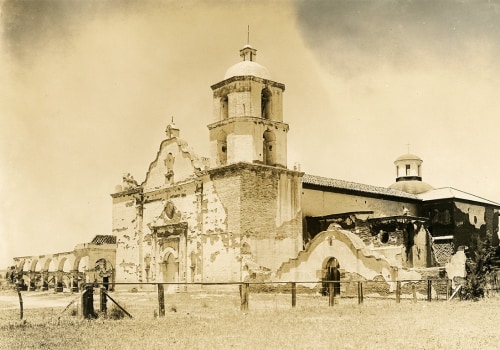
Southern California is a region characterized by its stunning landscapes, diverse communities, and vibrant economy. However, it is also a place that faces significant challenges due to its susceptibility to natural disasters. From devastating wildfires and unpredictable earthquakes to severe flooding, the impact of these events on local communities is profound. As such, the governance in Southern California must navigate a complex landscape where effective decision-making is crucial for disaster preparedness and response.The interplay between natural disasters and governance is particularly critical in this region.
Local governments are tasked with not only responding to immediate crises but also implementing long-term strategies that enhance community resilience. This dual responsibility requires a nuanced understanding of the unique vulnerabilities that different areas face, as well as the resources available for mitigation and recovery efforts. The decisions made by local officials can significantly influence how well communities withstand and recover from disasters, making effective governance an essential component of public safety.Moreover, the increasing frequency and intensity of natural disasters due to climate change further complicate governance in Southern California. As weather patterns shift and environmental conditions evolve, local governments must adapt their policies and practices to address these new realities.
This necessitates a proactive approach that prioritizes not only immediate disaster response but also sustainable development practices that can mitigate future risks.In this context, understanding the relationship between governance and natural disasters becomes paramount. It sets the stage for exploring how local authorities can better prepare for, respond to, and recover from these inevitable challenges. By examining past events and current strategies, we can gain valuable insights into the effectiveness of governance in Southern California and identify opportunities for improvement in disaster management.
Understanding Governance in Southern California
The governance structure in Southern California is characterized by its decentralized nature, which allows for a diverse array of local governments to address the unique needs of their communities. This system comprises various entities, including cities, counties, and special districts, each with distinct responsibilities and powers.Such decentralization enables tailored responses to local issues but can also lead to inconsistencies in policy implementation and resource allocation.At the local level, city and county governments play a crucial role in shaping policies that directly affect residents. These governments are responsible for a wide range of services, including public safety, urban planning, transportation, and environmental management. For instance, in the wake of natural disasters like wildfires or earthquakes, local governments must quickly mobilize resources and implement emergency response plans. This often involves coordinating with various agencies to ensure that the community's immediate needs are met.In addition to local governance, state regulations significantly influence how these entities operate.
The state government provides overarching guidelines and frameworks that local governments must adhere to while allowing them the flexibility to adapt these regulations to their specific contexts. This relationship is particularly important during disaster scenarios when rapid decision-making is essential. Local officials often rely on state resources and expertise to enhance their disaster preparedness and response capabilities.Moreover, the interaction between local governments and state regulations fosters a collaborative environment where best practices can be shared. For example, after significant disasters, state agencies may conduct assessments that inform local governance strategies, leading to improved resilience measures.
This collaboration is vital for ensuring that communities are not only prepared for immediate crises but also equipped for long-term recovery and sustainability.In summary, understanding the governance structure in Southern California reveals a complex interplay between local authorities and state regulations. This decentralized approach allows for responsive governance tailored to community needs while highlighting the importance of collaboration in addressing challenges posed by natural disasters.
Types of Natural Disasters in Southern California
Southern California is a region characterized by its diverse geography and climate, which contribute to a variety of natural disasters that pose significant challenges to governance and disaster response. Understanding the types of natural disasters prevalent in this area is crucial for developing effective policies and preparedness strategies.Earthquakes
One of the most pressing natural disasters in Southern California is earthquakes. The region sits on the Pacific Ring of Fire, making it highly susceptible to seismic activity.Earthquakes can occur with little to no warning, leading to devastating consequences for communities. For instance, the 1994 Northridge earthquake, which registered a magnitude of 6.7, resulted in extensive damage and loss of life, prompting significant changes in building codes and emergency response protocols. Local governments must continuously update their disaster preparedness plans to account for the unpredictable nature of earthquakes.
Wildfires
Wildfires have become increasingly frequent and severe in Southern California, particularly during the hot, dry summer months. Factors such as prolonged drought conditions, climate change, and urban development in fire-prone areas exacerbate the risk.The 2018 Camp Fire serves as a stark reminder of the destructive potential of wildfires, leading to loss of homes and lives. In response, local governance has had to reevaluate land use policies, invest in fire prevention measures, and enhance community education on fire safety. Effective governance requires a proactive approach to managing these risks through improved infrastructure and resource allocation.
Floods
Flooding is another significant concern for Southern California, particularly in areas that experience heavy rainfall or are affected by wildfires that destabilize soil. Flash floods can occur suddenly, posing immediate threats to life and property.Local governments often focus on improving drainage systems and implementing zoning regulations to mitigate flood risks. The interplay between urban development and natural water flow patterns necessitates careful planning and investment in infrastructure to protect vulnerable communities.In summary, each type of natural disaster—earthquakes, wildfires, and floods—presents unique challenges for governance in Southern California. Understanding these challenges is essential for developing effective disaster management strategies that prioritize community resilience and safety.
Historical Context: Past Disasters and Governance Responses
Southern California's history is marked by a series of natural disasters that have profoundly influenced governance responses and shaped the region's disaster management policies. Understanding these historical events provides valuable insights into how local governments have adapted their strategies to enhance community resilience and preparedness.One of the most significant events in this context is the 1971 San Fernando earthquake , which registered a magnitude of 6.6.This earthquake caused extensive damage, leading to the loss of lives and property.In its aftermath, local governments recognized the urgent need for improved disaster preparedness. The event catalyzed the establishment of the California Office of Emergency Services (Cal OES) , which was tasked with coordinating state-level responses to disasters. This marked a pivotal shift in governance, emphasizing the importance of structured emergency management frameworks.Another critical case study is the 2003 Cedar Fire , one of the largest wildfires in California's history. The fire consumed over 273,000 acres and destroyed more than 2,800 structures.
In response, governance bodies implemented stricter land-use planning and fire prevention measures. This disaster highlighted the need for comprehensive fire management policies that prioritize community safety and resource allocation for firefighting efforts.More recently, the 2018 Woolsey Fire underscored ongoing challenges related to wildfire management amid changing climate conditions. The response involved collaboration among local fire departments, state agencies, and federal resources, showcasing a unified governance approach. This incident prompted discussions about sustainable land management practices and the necessity for community engagement in disaster preparedness initiatives.These historical disasters illustrate that governance responses are not merely reactive; they are instrumental in shaping long-term policy frameworks.
By learning from past events, Southern California can develop more effective strategies that prioritize public safety and resilience against future natural disasters.
Impact on Policy Making and Resource Allocation
Natural disasters serve as significant catalysts for change in governance, particularly in the realms of policy making and resource allocation. In Southern California, where the threat of earthquakes, wildfires, and floods is ever-present, the urgency created by these events often compels local governments to reassess their existing policies and funding priorities.When a disaster strikes, it typically exposes gaps in preparedness and response capabilities. This realization can lead to a swift reevaluation of disaster management policies. For instance, after a major wildfire, local authorities may prioritize funding for fire prevention measures, such as creating defensible space around homes or investing in community education programs about fire safety.These immediate responses are crucial for enhancing community resilience and ensuring that lessons learned from past disasters inform future governance strategies.Moreover, the allocation of resources becomes a pressing concern during and after a disaster. Local governments must make difficult decisions about how to distribute limited funds effectively. This often involves:
- Reallocating existing budgets: Funds may be diverted from other areas, such as infrastructure projects or social services, to support emergency services and recovery efforts.
- Investing in infrastructure: Governments may prioritize improvements to roads, bridges, and drainage systems to better withstand future disasters.
- Enhancing community outreach: Local agencies might increase funding for public education campaigns aimed at preparing residents for potential disasters.
While this rapid response can be beneficial in addressing immediate needs, it may also result in less thorough consideration of long-term implications. Therefore, it is essential for governance structures to balance the need for quick action with the necessity of comprehensive planning.In conclusion, the interplay between natural disasters and governance in Southern California highlights the critical importance of adaptive policy making and strategic resource allocation. By learning from past events and investing in robust disaster management frameworks, local governments can better prepare for future challenges while ensuring that their communities remain resilient in the face of adversity.
Community Engagement and Public Perception
In the context of governance during natural disasters, community engagement emerges as a critical factor that can significantly enhance the effectiveness of disaster response efforts. When local governments actively involve citizens in the decision-making process, they not only foster a sense of trust but also ensure that the policies implemented are reflective of the community's actual needs and concerns.Public perception
plays a pivotal role in shaping governance actions during crises.
The way citizens perceive their local government’s responsiveness and transparency can greatly influence their willingness to cooperate with emergency measures. For instance, if residents feel that their government is proactive and communicative, they are more likely to support initiatives aimed at disaster preparedness and recovery. Conversely, a lack of clear communication or perceived inaction can lead to distrust, which may hinder effective governance.To enhance community engagement, local governments can adopt several strategies:
- Open Forums: Hosting town hall meetings allows citizens to voice their concerns and suggestions directly to decision-makers. This not only empowers residents but also provides valuable insights into community needs.
- Surveys and Feedback: Utilizing surveys post-disaster can help gauge public sentiment and identify areas needing improvement.
This feedback loop is essential for refining disaster response strategies.
- Partnerships with Local Organizations: Collaborating with community groups can enhance outreach efforts and ensure diverse voices are heard. These partnerships can also facilitate resource sharing and mobilization during emergencies.
By prioritizing citizen involvement, local governments can create more robust policies that address immediate needs while fostering long-term community resilience.
Challenges Faced by Governance During Disasters
Governance in Southern California faces a myriad of challenges during natural disasters, which can significantly impede the effectiveness of emergency response efforts. These challenges are often interrelated and stem from various systemic issues that require comprehensive solutions.Funding Shortages
One of the most pressing challenges is the funding shortages that local governments encounter. Many municipalities operate on limited budgets, which can restrict their ability to prepare for and respond to disasters effectively. When a natural disaster strikes, the immediate financial demands can overwhelm existing resources.
This situation often leads to:
- Delayed Response: Insufficient funds can delay the deployment of emergency services and resources, exacerbating the impact of the disaster.
- Inadequate Infrastructure: Limited budgets may prevent necessary upgrades to critical infrastructure, such as roads and bridges, which are essential for effective evacuation and rescue operations.
- Resource Allocation Conflicts: Local governments may be forced to reallocate funds from other essential services, such as education or public health, to address immediate disaster needs, creating long-term deficits in those areas.
Coordination Among Agencies
The complexity of governance structures in Southern California also leads to significant coordination issues. Multiple agencies at local, state, and federal levels must collaborate during a disaster response. However, this collaboration is often hampered by:
- Diverse Priorities: Different agencies may have varying objectives and priorities, leading to conflicts that can slow down response efforts.
- Bureaucratic Red Tape: The presence of multiple layers of bureaucracy can complicate decision-making processes, resulting in delays in resource allocation and action.
- Lack of Clear Communication Channels: Without established protocols for communication among agencies, critical information may not be shared promptly, hindering coordinated efforts.
Communication Barriers
Effective communication is vital during disasters; however, it often becomes a significant hurdle. Local governments must ensure that information flows smoothly between agencies and reaches the public in a timely manner.
Challenges include:
- Overwhelmed Communication Systems: During emergencies, communication networks can become overloaded or fail entirely, preventing timely updates and instructions from reaching affected populations.
- Misinformation Spread: In the absence of clear communication from official sources, rumors and misinformation can proliferate, leading to confusion and panic among residents.
- Language Barriers: Southern California's diverse population means that communication must be accessible in multiple languages. Failure to provide information in the languages spoken by residents can leave vulnerable communities uninformed about safety measures.
Future Trends: Climate Change and Governance Adaptation
As climate change continues to reshape the environmental landscape of Southern California, its implications for governance are becoming increasingly critical. The region is experiencing more frequent and severe natural disasters, such as wildfires, floods, and droughts, which necessitate a reevaluation of existing governance frameworks and the implementation of adaptive strategies.One of the most pressing future trends in governance adaptation is the integration of climate resilience into urban planning.Local governments are recognizing the need to not only respond to immediate disaster threats but also to anticipate future risks. This proactive approach involves:
- Infrastructure Improvements: Upgrading existing infrastructure to withstand extreme weather events is essential. This includes reinforcing levees, enhancing drainage systems, and retrofitting buildings to meet higher safety standards.
- Land Use Planning: Implementing zoning laws that discourage development in high-risk areas prone to flooding or wildfires is crucial. By steering growth away from vulnerable zones, local governments can reduce potential damage and enhance community safety.
- Sustainable Practices: Promoting green building standards and renewable energy initiatives can significantly reduce carbon footprints.
These practices not only contribute to environmental sustainability but also prepare communities for the impacts of climate change.
- Public Workshops: Hosting workshops that educate citizens about climate risks and resilience strategies fosters a sense of ownership and responsibility.
- Feedback Mechanisms: Utilizing surveys and feedback forms allows local governments to gauge public sentiment and adjust policies accordingly.
Partnerships with non-profit organizations and private sectors can further enhance these efforts by leveraging additional expertise and funding.In conclusion, as Southern California faces the realities of climate change, the evolution of governance decisions will be pivotal in shaping a resilient future. By proactively adopting adaptation strategies, local governments can safeguard their communities against increasingly severe natural disasters while setting a precedent for effective governance in the face of environmental challenges.
FAQs about Governance and Natural Disasters in Southern California
Understanding the relationship between governance and natural disasters in Southern California is essential for effective disaster management. Below are some frequently asked questions that provide insights into this critical topic.How does governance influence disaster preparedness?
Governance plays a crucial role in establishing frameworks for disaster preparedness. Local governments in Southern California are responsible for:- Creating comprehensive emergency response plans that outline procedures during disasters.
- Conducting regular drills to ensure readiness among emergency services and the community.
- Educating residents about potential risks and the importance of personal preparedness.
What role do public policies play in disaster recovery?
Public policies significantly impact the speed and efficiency of recovery efforts following a disaster.Effective policies can:
- Prioritize funding for infrastructure repair, ensuring that essential services are restored quickly.
- Provide housing assistance to displaced residents, facilitating their return to normalcy.
- Support community programs that help residents cope with the emotional and psychological aftermath of disasters.
How do local governments coordinate during a disaster?
Coordination among local, state, and federal agencies is vital during disasters. In Southern California, the Office of Emergency Services (OES) plays a key role by:- Facilitating communication between various entities involved in disaster response.
- Ensuring resource sharing to avoid duplication of efforts and fill critical gaps in service delivery.
Are there specific laws governing disaster management?
Yes, California has several laws that govern disaster management, including:- The California Emergency Services Act , which outlines the responsibilities of government agencies during emergencies.
- The Disaster Recovery Reform Act , which focuses on improving recovery efforts and resilience.
How can citizens participate in governance related to disaster management?
Citizens can actively engage in governance by:- Participating in community meetings to voice concerns and suggestions regarding emergency plans.
- Providing feedback through surveys conducted by local governments post-disaster.
- Volunteering with local organizations focused on disaster preparedness and recovery initiatives.
Conclusion: The Interplay Between Natural Disasters and Governance Decisions
In examining the intricate relationship between natural disasters and governance in Southern California, it becomes evident that the region's unique challenges necessitate a proactive and adaptive approach to policy-making. The frequency and severity of disasters such as wildfires, earthquakes, and floods not only threaten lives and property but also serve as critical junctures for governance decisions that can either enhance or undermine community resilience.Throughout this discussion, we have highlighted several key themes that underscore the importance of effective governance in the face of natural disasters:- Proactive Preparedness: Local governments must prioritize disaster preparedness by investing in infrastructure improvements, developing comprehensive emergency response plans, and engaging communities in risk reduction strategies. This proactive stance is essential for minimizing the impact of future disasters.
- Policy Integration: The integration of disaster risk reduction into urban planning and public policy is crucial.
Policymakers should not only respond to past events but also anticipate future risks through data-driven strategies that incorporate community input.
- Sustainable Development: Emphasizing sustainable practices can mitigate the effects of natural disasters while promoting long-term resilience. This includes implementing land-use policies that discourage development in high-risk areas and promoting green infrastructure.
- Collaboration Among Stakeholders: Effective governance requires collaboration among various stakeholders, including government agencies, non-profit organizations, and local communities. By working together, these entities can create a more resilient Southern California capable of withstanding the challenges posed by natural disasters.
By learning from past experiences and implementing robust governance frameworks, Southern California can better prepare for future challenges, ensuring that its communities are not only resilient but also thriving in the face of adversity.